Pressure Sensitive Paper LLLW: Working Principle, Pressure Range, and Applications
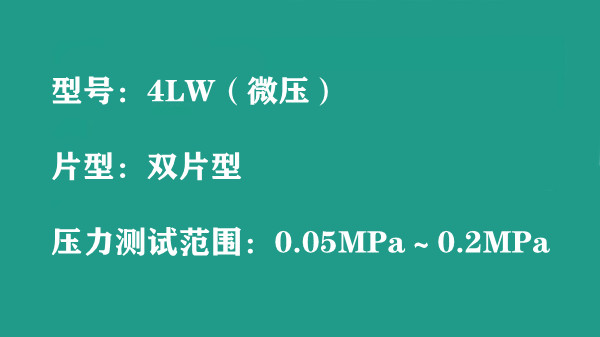
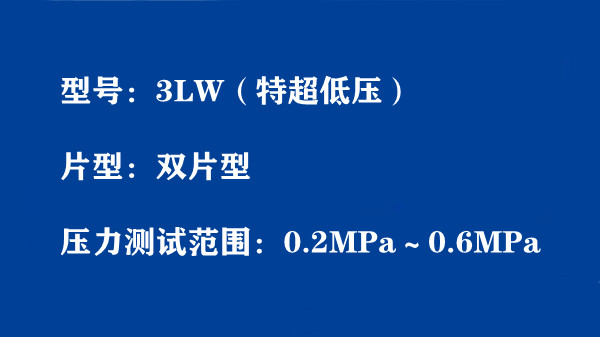
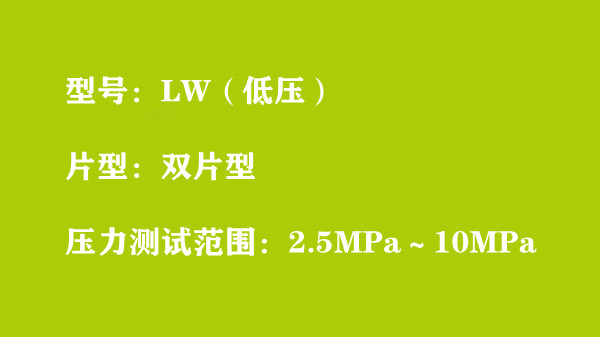
Pressure sensitive paper LLLW is a type of ultra-low pressure measurement material used to make light contact pressure visible. In many industrial and testing situations, users need to know not only whether pressure exists, but how it is distributed across a surface. LLLW pressure-sensitive paper is designed for this purpose, especially in very low-pressure ranges where subtle differences in contact condition can affect product quality or assembly performance. Although the term “pressure sensitive paper” is still widely used in the market, many industrial users today also refer to this product as pressure measurement film or pressure test film. In practice, the product is used to evaluate pressure distribution, identify contact uniformity, and support low-pressure process verification. Working Principle of LLLW Pressure Sensitive Paper LLLW pressure-sensitive paper works through pressure-triggered color development. In a typical two-sheet design, one layer contains pressure-reactive material and the other contains a color-developing layer. When pressure is applied, a visible color image forms at the contact area. The resulting pattern shows where the surfaces contacted and how the pressure was distributed. Darker or more intense color usually indicates higher pressure within the usable range, while lighter color suggests lower pressure. This makes the film useful for both qualitative inspection and comparative analysis. Instead of relying on a single point measurement, users can inspect the full contact area. This is one of the main reasons why pressure-sensitive paper remains useful in engineering work. Pressure Range of LLLW Grade The LLLW grade is intended for ultra-low pressure applications. It is suitable for situations where standard low-pressure film is not sensitive enough and where the contact force must be checked at a lighter level. This range is relevant in precise and delicate applications. If the selected grade does not match the actual pressure condition, the result may become unclear...